Off-Campus Housing Near UCalgary: Pros, Cons, and Who It’s Best For
Choosing between on-campus residence and housing off campus is one of the most significant decisions a University of Calgary (UCalgary) student will make. In 2026, the landscape of student housing has shifted dramatically. With new purpose-built student accommodations offering unprecedented amenities and the local rental market stabilizing, students have more viable options than ever before.
This comprehensive guide breaks down the pros, cons, and real costs of both living arrangements, helping you decide which environment will best support your academic journey, lifestyle, and budget.
What is the Difference Between On-Campus and Off-Campus Housing?
On-campus housing refers to university-owned and operated dormitories or residence halls located directly on the school’s property. These facilities typically feature shared living spaces, mandatory meal plans, and highly structured social environments overseen by Resident Assistants (RAs).
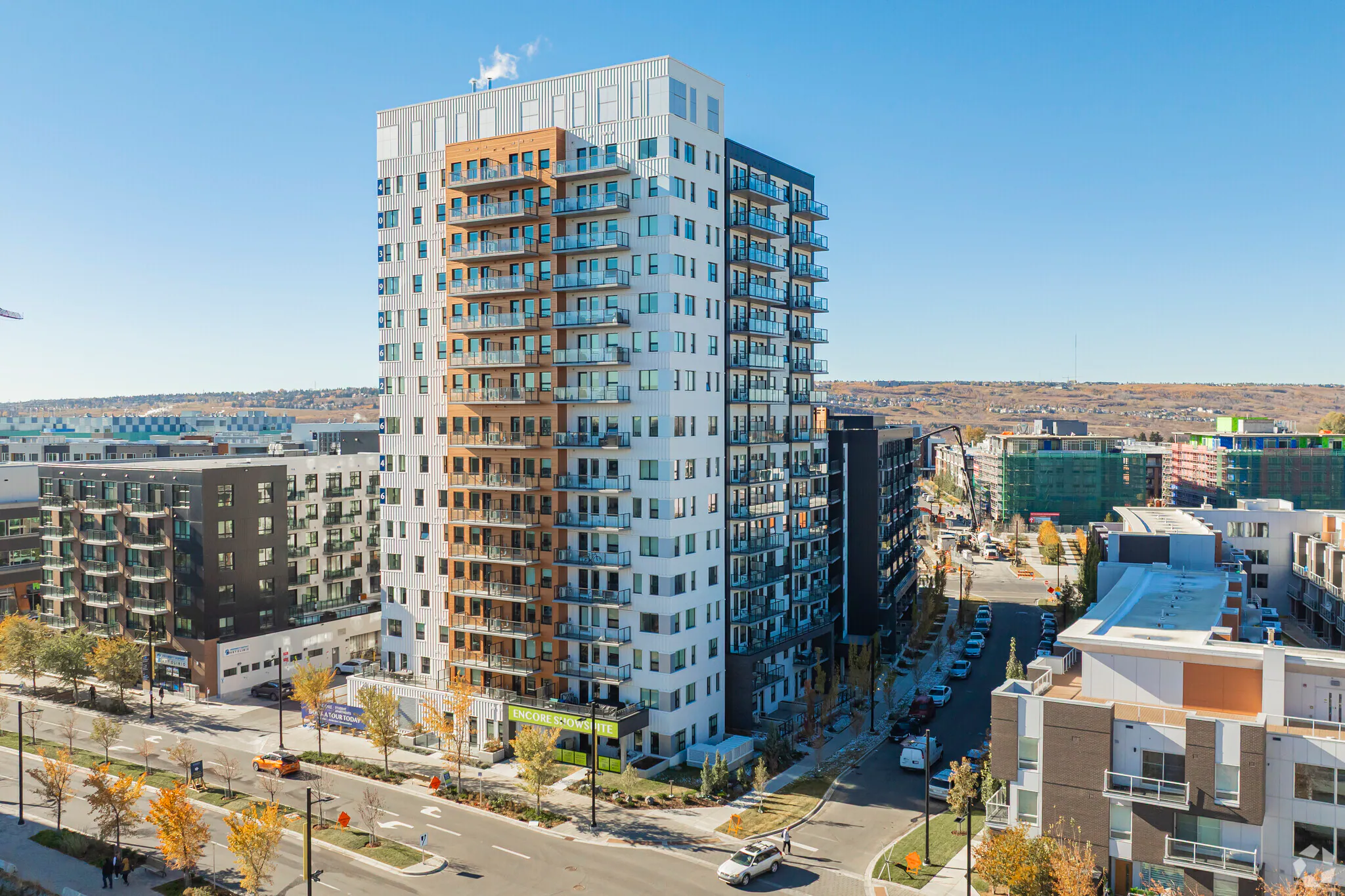
Housing off campus involves renting private apartments, shared houses, or purpose-built student accommodations (PBSA) in the surrounding neighbourhoods. Modern off-campus options, particularly in master-planned communities like the University District, offer independent living, private amenities, and professional property management while remaining within walking distance of classes.
The 2026 Calgary Rental Market: A “Renter’s Window”
For the first time in several years, the Calgary rental market is offering students a more balanced playing field. After a period of ultra-low availability, 2026 has introduced a “Renter’s Window.”
According to recent market data, the vacancy rate for purpose-built rentals in Calgary has stabilized at approximately 5.8% to 6.0% in early 2026. This increase in supply means students have more leverage when choosing where to live. Average unfurnished one-bedroom apartments currently range from $1,537 to $1,681 per month. For those looking to secure the best rates, seasonal trends show that the optimal time to rent is between January and March, when prices can dip 5% to 8% below peak summer rates.
Pros and Cons: Residence vs. Off-Campus Living
When comparing student housing options, the decision ultimately comes down to a trade-off between immediate campus proximity and lifestyle independence.
Privacy and Independence
Privacy is rapidly becoming the top priority for modern students. Recent 2026 data reveals that 51% of students now list a single room as their top priority on housing applications, reflecting a generational shift toward wellness and autonomy.
-
On-Campus: Dorm life is highly structured. While excellent for forced socialization, it offers low privacy. Shared bathrooms and common areas are standard, and strict rules regarding noise and guests are enforced.
-
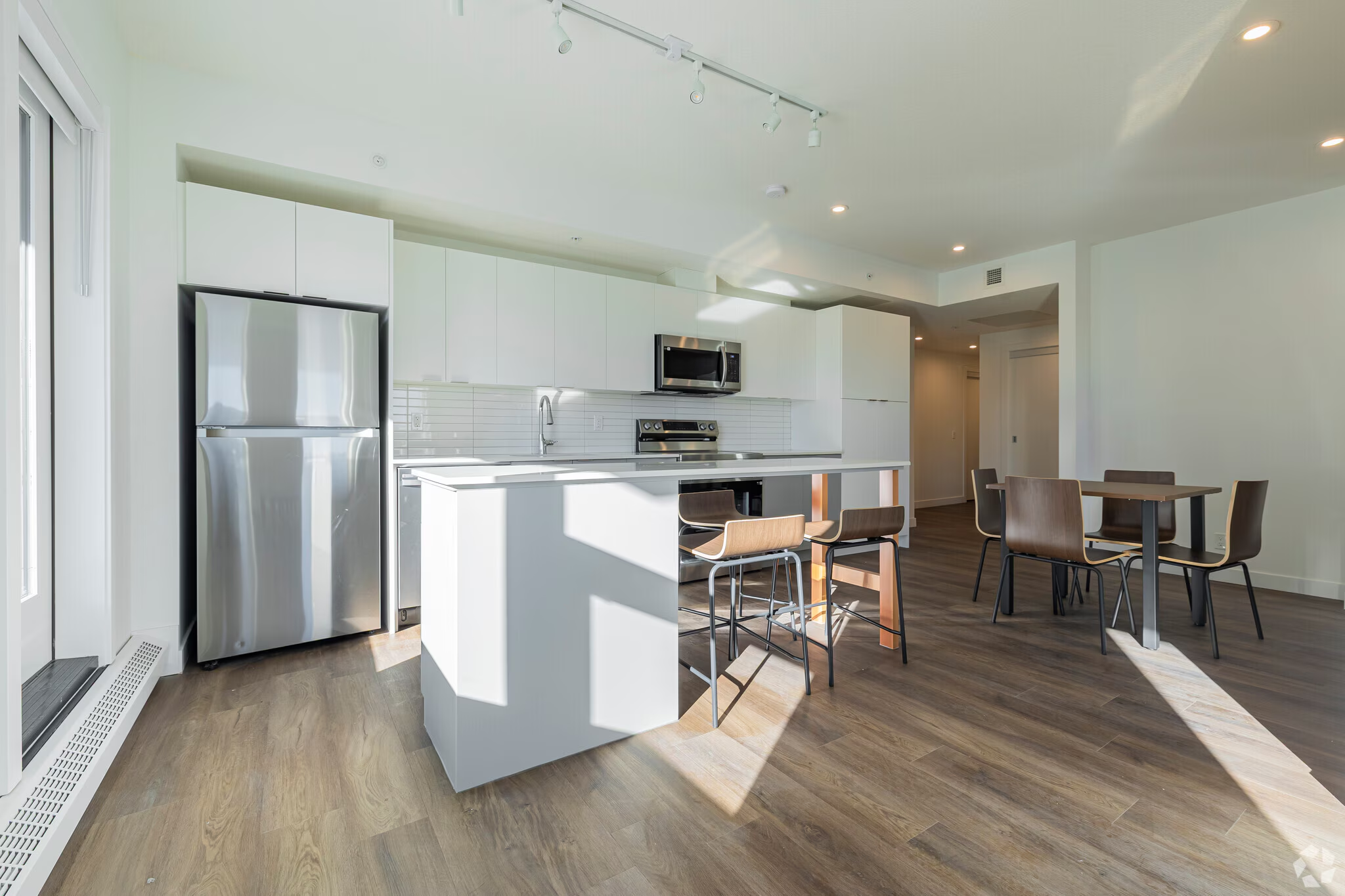
Off-Campus: Renting an apartment provides high autonomy. Students benefit from private bedrooms with lockable doors, personal bathrooms, and in-suite laundry. Experts note that private living spaces are increasingly viewed as a vital tool for mental health, offering a low-pressure environment to decompress.
Commute and Location
-
On-Campus: The primary advantage of residence is the commute. Students are typically a 2-to-5-minute walk from their lecture halls and the campus library.
-
Off-Campus: While traditional rentals might require a transit commute, purpose-built communities have neutralized this gap. For example, apartments in the University District offer a highly walkable 10-to-15-minute commute to UCalgary, blending campus proximity with a vibrant neighbourhood lifestyle.
Budgeting and Hidden Costs
The sticker price of student housing rarely tells the whole story. Understanding the financial breakdown is critical for budget-conscious students.
-
On-Campus Costs: For the 2026-2027 academic year, a double room with a mandatory 7-day meal plan costs $10,512 for an 8-month term. A single suite jumps to $16,832. Furthermore, residence contracts typically force students to vacate within 24 hours of their last exam, leading to hidden costs for summer storage or gap housing.
-
Off-Campus Costs: Modern apartments offer year-round stability. At purpose-built properties like Encore at University District, all-inclusive rates (covering utilities and furniture) start at $1,000 per month per bed. Additionally, having a private kitchen allows students to save 30% to 40% on food costs compared to institutional dining. Encore also offers a unique 2026 market advantage: a 3-year 0% rent increase guarantee, providing unparalleled price certainty for the duration of a degree.
Amenities and Social Experience
-
On-Campus: Amenities are generally basic, focusing on communal lounges and dining halls. The social experience is immediate and built-in, making it incredibly easy to meet peers during the first few weeks of school.
-
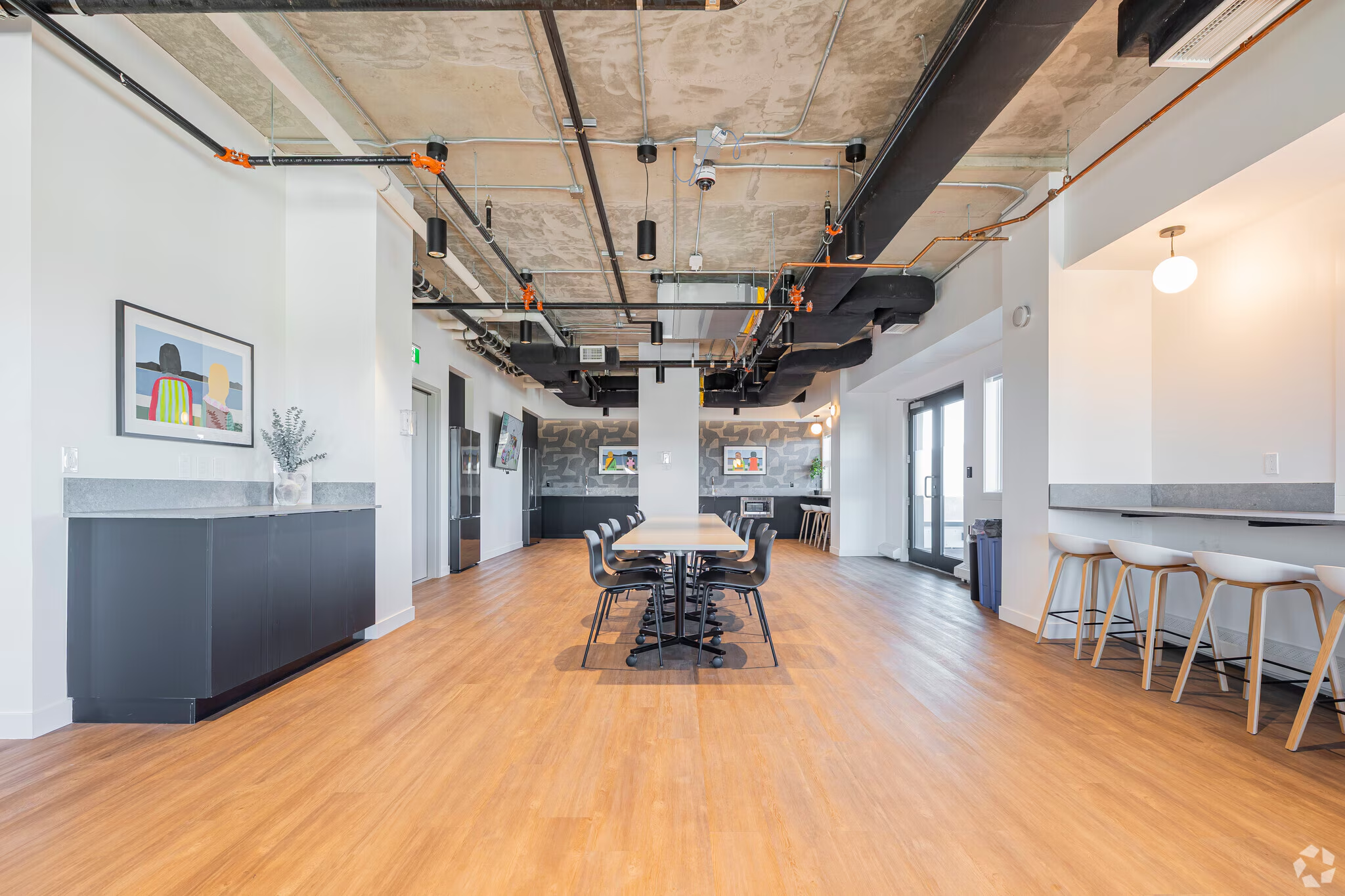
Off-Campus: Gen Z students are prioritizing functional amenities over luxury gimmicks. Reliable high-speed Wi-Fi, in-suite laundry, and dedicated study spaces rank as the most critical features for academic success. Premium off-campus buildings provide these functional necessities alongside curated community events, roommate matching programs, and secure entry systems.
Who is Best Suited for Each Option?
Based on 2026 housing trends, the ideal choice depends heavily on your academic stage and personal priorities.
The First-Year Transitioner
Best Fit: On-Campus Residence
Students coming directly from high school benefit immensely from the structured “safety net” of residence life. The immediate social circle and presence of RAs help ease the transition into university living.
The GPA-Focused Upper-Year
Best Fit: Off-Campus Housing
Second-year students and beyond often outgrow the dorm environment. They require quiet, private study spaces and high-speed internet to maintain their academic performance without the constant distractions of communal living.
The Budget-Conscious Planner
Best Fit: Off-Campus Housing
Students managing their own finances benefit from the transparency of off-campus living. By cooking their own meals and locking in multi-year leases that prevent inflationary rent spikes, they can manage their debt and monthly expenses much more effectively.
The Young Professional or Grad Student
Best Fit: University District
Older students value a “live-work-play” environment. Being situated near the Alberta Children’s Hospital and retail centres provides the perfect balance of professional networking, convenience, and mature community living.
The Encore Advantage: Redefining Student Housing
For students deciding that off-campus living is their best path forward, Encore at University District has established itself as the gold standard near UCalgary.
Designed specifically for the academic and early-career lifestyle, Encore bridges the gap between campus convenience and premium independent living. Beyond the highly sought-after 3-year rent guarantee, residents benefit from a highly secure building environment, roommate matching services, and exclusive perks—including a 10% discount at local University District businesses like Save-on-Foods and nearby eateries. It is a cost-effective, amenity-rich solution that supports both academic focus and a thriving social life.
Conclusion
The choice between residence and housing off campus shapes your entire university experience. While on-campus dorms provide an excellent launchpad for first-year students, the 2026 rental market makes off-campus living the clear winner for upper-year students seeking privacy, functional amenities, and financial control. By evaluating your personal need for independence, your budget, and your academic goals, you can secure the ideal student housing to make your time at UCalgary a success.