Introduction
Renting your first apartment is a major milestone, but for students in Calgary, the process can feel overwhelming. Between navigating rental listings, understanding lease terms, and securing a guarantor, the learning curve is steep. In 2026, the Calgary rental market remains competitive, making it essential for students to have a clear strategy before signing a lease.
This guide provides a comprehensive, step-by-step walkthrough of the renting process specifically tailored for students. From setting a budget to move-in day, we cover everything you need to know to secure the perfect student housing near the University of Calgary.
What to Know Before Renting in Calgary?
Before diving into listings, it is crucial to understand the local landscape. In Calgary, the rental market for students is driven by proximity to campus and transit accessibility. Most rental properties in Calgary operate under the Residential Tenancies Act (RTA) of Alberta, which sets the rules for landlords and tenants.
For first-time renters, the most critical factors are typically budget, location (specifically distance to the C-Train or campus), and lease flexibility. Unlike general residential rentals, purpose-built student apartments for rent often offer amenities specifically designed for academic life, such as study lounges and high-speed internet included in the rent.
Step 1: Determine Your Budget and Needs
The first step in your search for rental housing is establishing a realistic budget. Financial experts generally recommend the “30% rule,” suggesting that you spend no more than 30% of your gross monthly income on rent. However, for students relying on loans, grants, or parental support, this calculation may vary.
Hidden Costs to Consider:
Utilities: Are heat, water, and electricity included? (Many older buildings exclude electricity).
Internet: Essential for students; often an extra $80-$100/month unless you choose a building like Encore where connectivity is prioritized.
Tenant Insurance: Most landlords require proof of insurance before move-in.
Security Deposit: In Alberta, this cannot exceed one month’s rent.
Step 2: Researching Rental Properties in Calgary
Once your budget is set, start your search for places to rent in Calgary. Timing is everything. For a September start date, students should begin looking as early as May or June. The highest volume of apartment listings typically appears 45 to 60 days before the move-in date.
Top Neighborhoods for U of C Students:
University District: The premier choice for walkability to campus, grocery stores, and entertainment.
Brentwood: Offers good C-Train access.
Varsity: A quieter, residential option nearby.
When browsing rental apartments for rent, prioritize listings that offer detailed photos, floor plans, and clear policies on pets and parking.
Step 3: Touring Apartments
Never sign a lease without seeing the unit or a virtual tour. When touring rental properties in Calgary, treat it like an inspection. Bring a checklist to ensure the space meets your needs.
The Student Renter Checklist:
Noise Levels: Can you hear traffic or neighbors? Quiet environments are vital for studying.
Safety: Is the building secure? Are there fob key entries and well-lit common areas?
Laundry: Is it in-suite or shared? (In-suite is a major time-saver for students).
Amenities: Does the building offer a gym or study rooms? These perks can save you money on external memberships.
Step 4: The Application Process
Applying for your first apartment requires preparation. Landlords want to ensure you are a reliable tenant who can pay rent on time. Since many students do not have a long credit history or full-time income, this step often requires additional documentation.
Documents You Will Likely Need:
Proof of Enrollment: Confirms your student status.
Proof of Income/Funds: Bank statements or loan approval letters.
References: Previous landlords or employers.
Government ID: Driver’s license or passport.
Understanding Guarantors
If you do not meet the income requirements (typically 2.5x to 3x the monthly rent), you will likely need a guarantor. A guarantor is usually a parent or guardian who co-signs the lease and agrees to pay the rent if you cannot. This is a standard practice in student housing.
Step 5: Signing the Lease and Move-In
Once approved, you will sign a lease agreement. In Alberta, leases are legally binding contracts. Ensure you understand the term (usually fixed-term for 12 months) and the rules regarding subletting if you plan to leave for the summer.
The Move-In Inspection:
On move-in day, you and the landlord must complete a move-in inspection report. Document any existing damage (scratches on floors, nail holes) to ensure you aren’t charged for it when you move out. Take photos for your own records.
Why Choose Purpose-Built Student Rentals?
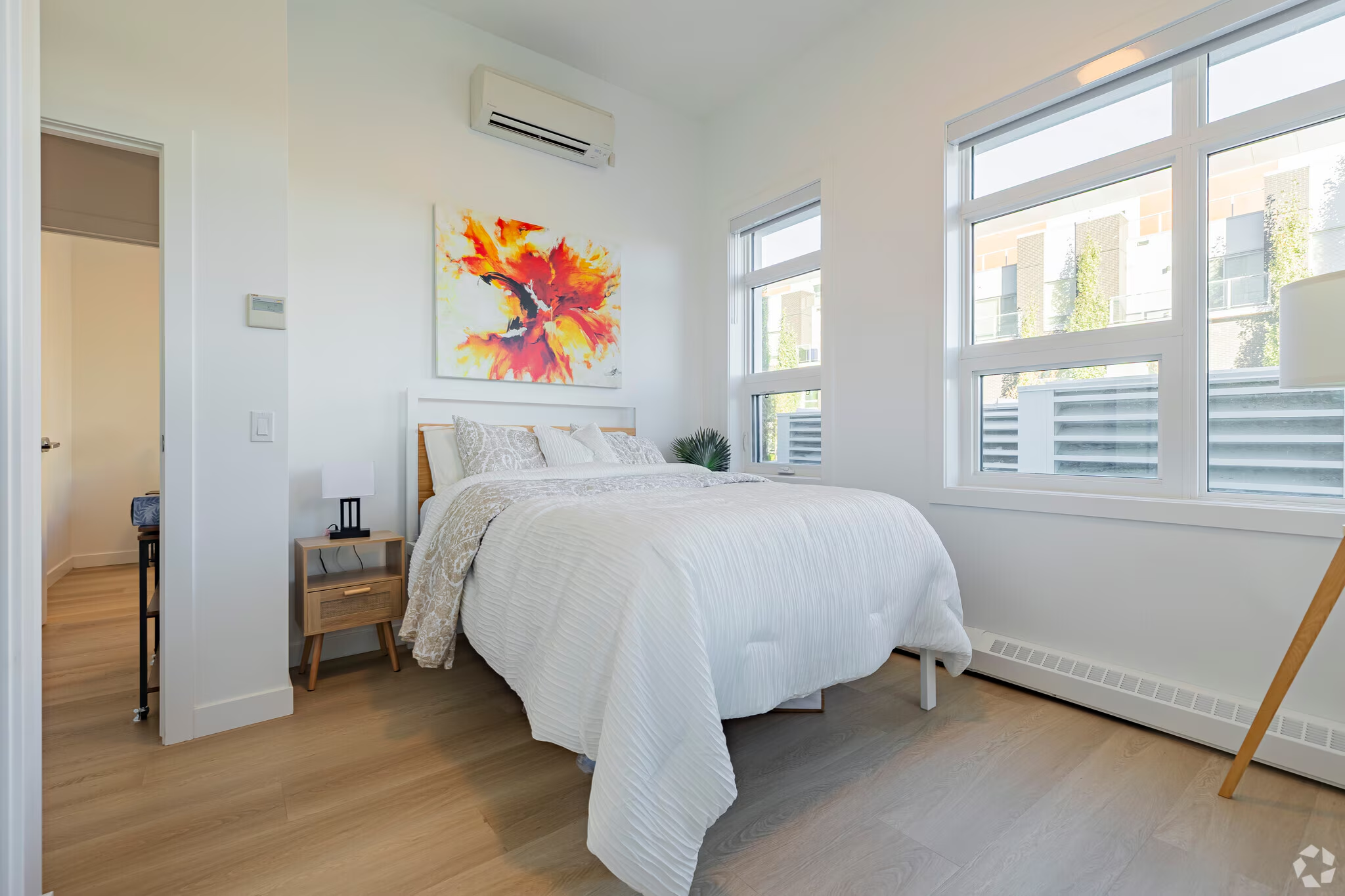
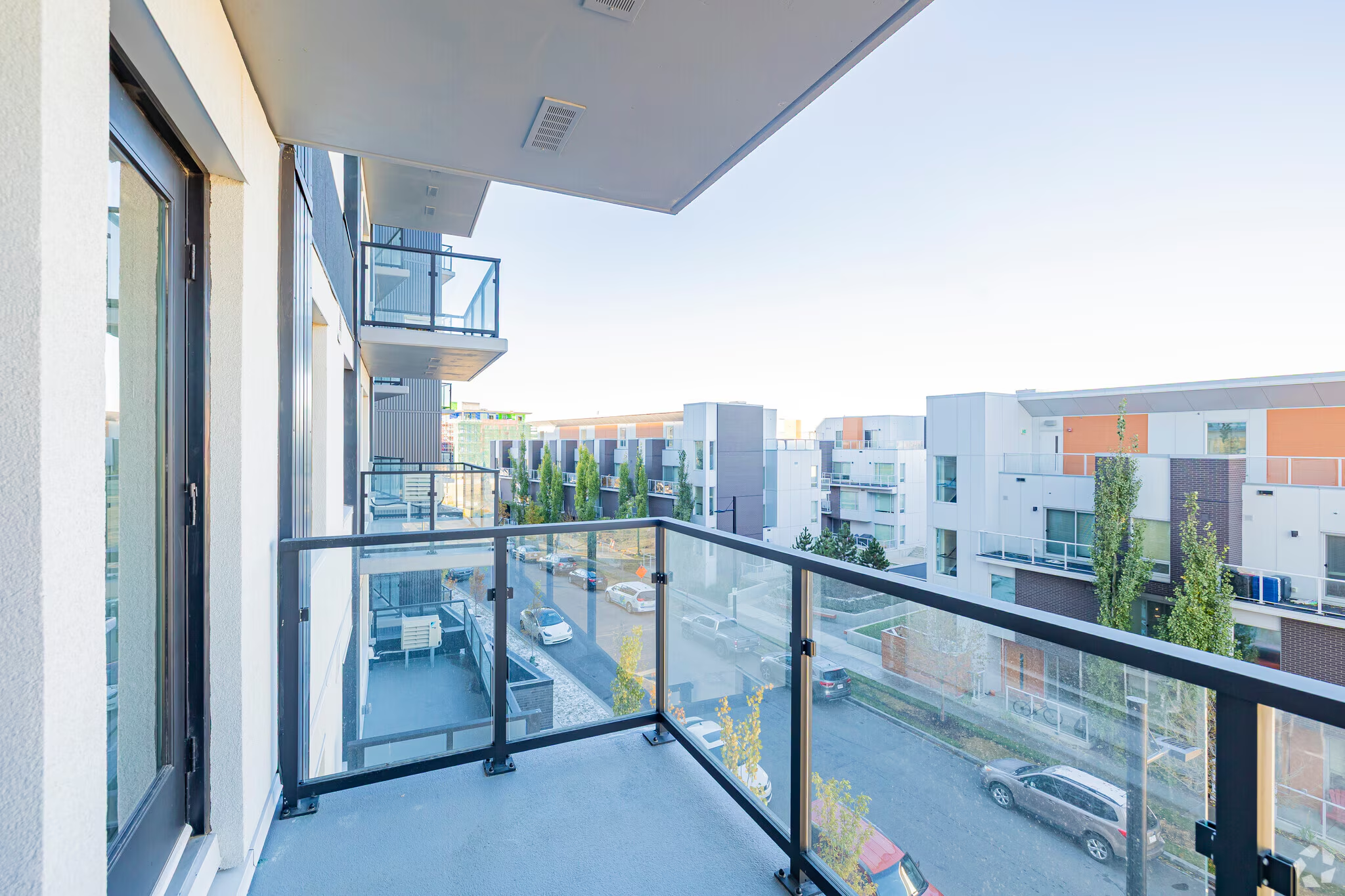
While there are many places to rent in Calgary, purpose-built communities offer a distinct advantage for first-time renters. Buildings like Encore at University District are designed specifically to reduce the friction of renting for students and young professionals.
At Encore, the process is streamlined. The location offers unparalleled convenience near the University of Calgary, and the amenities—from modern suites to social spaces—are tailored to support a balanced student lifestyle. Choosing a professionally managed building often means clearer communication, faster maintenance responses, and a community of peers, which can make the transition to independent living much smoother.
Frequently Asked Questions (FAQ)
Do I need a guarantor to rent an apartment as a student in Calgary?
Yes, most students will need a guarantor (co-signer) if they do not have a full-time income or a substantial credit history. The guarantor is legally responsible for the rent if the tenant fails to pay.
How much is a security deposit in Alberta?
Under the Alberta Residential Tenancies Act, a security deposit cannot exceed the amount of one month’s rent. It must be held in a trust account and returned with interest (if applicable) within 10 days of moving out, provided there are no damages.
When should I start looking for student housing in Calgary?
For a September move-in, start researching apartment listings in May or June. Ideally, aim to secure your rental by July or early August to avoid the last-minute rush.
What is included in “utilities” for rental apartments?
This varies by building. Some rental apartments for rent include heat and water, while tenants pay for electricity and internet. Always clarify what is included in the monthly rent before signing.
Conclusion
Renting your first apartment is a rite of passage. By understanding your budget, preparing your documents early, and knowing what to look for during tours, you can navigate the Calgary market with confidence. Whether you choose a private basement suite or a modern community like Encore, following this step-by-step guide ensures you find a safe, comfortable place to call home during your studies.